

WCF Blog
Choose
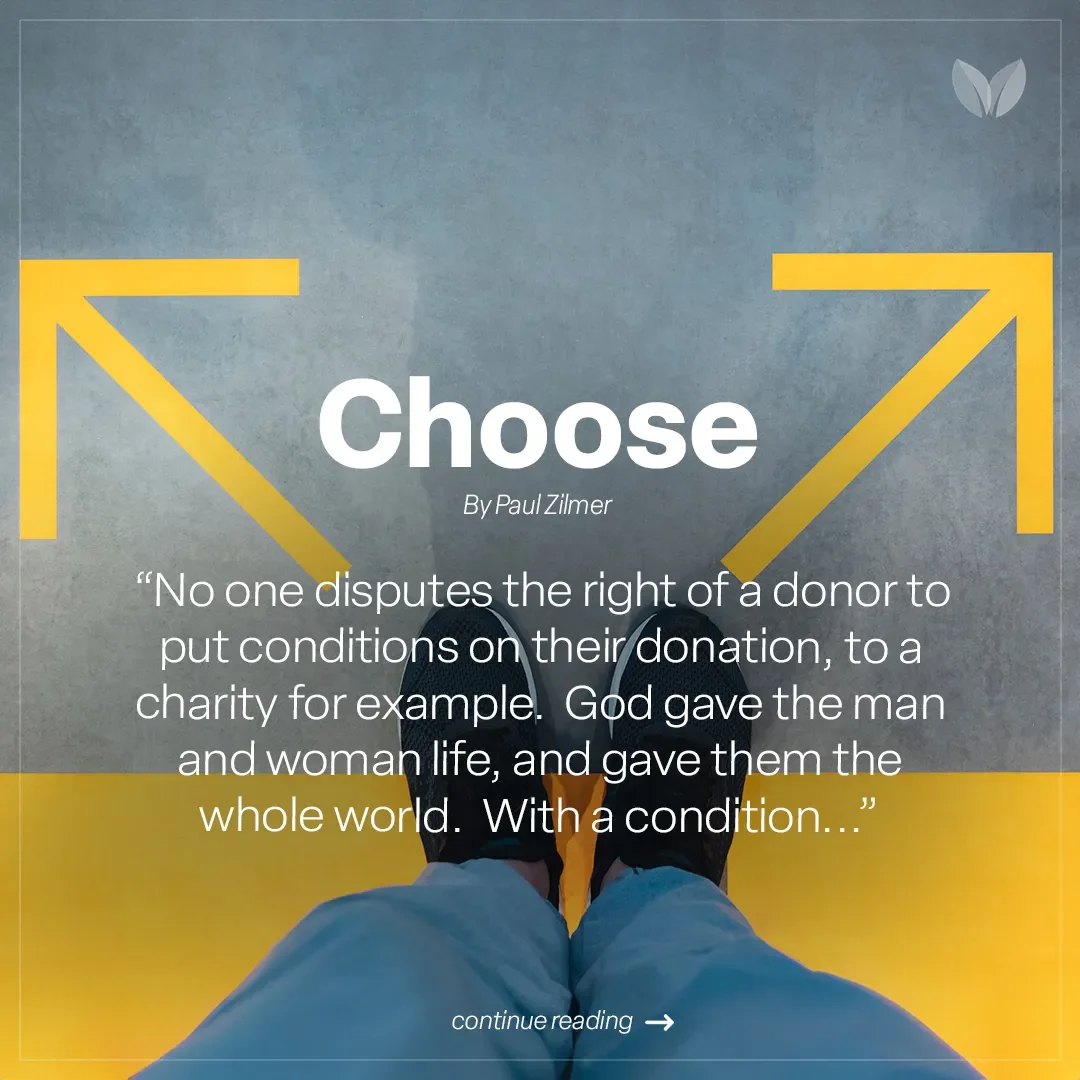
We make a lot of decisions, every day. A huge proportion of those are tiny, and we make many of them unconsciously. Occasionally a big one comes along, and we may spend hours or days or weeks or longer, making up our mind. But seldom, I think, do we stop and think about how it is that we actually have the power to choose, to decide.
Corrupt talk
The admonitions we get in the apostle Paul’s letters go way beyond suggestions. They have the force of commandments. We see one such in Ephesians 4:29.
Guiltless
A secular management consultant would tell you that the apostle Paul perfectly constructs his first letter to the church in Corinth. He has a number of criticisms and corrections he needs to convey. But first, he begins with some commendations. In fact really glowing praise for his recipients.
Passover
In the reading plan I’m using, I’m brought once again to Exodus, Probably we would work it out, but we don’t have to guess. We’re told plainly that the Exodus and Israel’s experience in the wilderness are “types” (that is, allegorical figures) of ourselves. Paul says it in 1 Corinthians 10:1-12. (Many versions read “examples for us” rather than the stronger and more accurate “types of us”.)
Dirt
I’m dirt. Or at least, descended from dirt. We may not be able to trace our genealogy across thousands of years, but we know that eventually we get all the way back to Adam and Eve. Eve’s origin? Constructed from the DNA taken from Adam. (Genesis 2:21-22) And Adam’s origin? Dirt. (verse 7)
Think about it
Apparently I’m not the only one who has a problem with the thoughts I entertain in my mind. If it was just me, the apostle Paul wouldn’t have had to counsel others a long time ago:
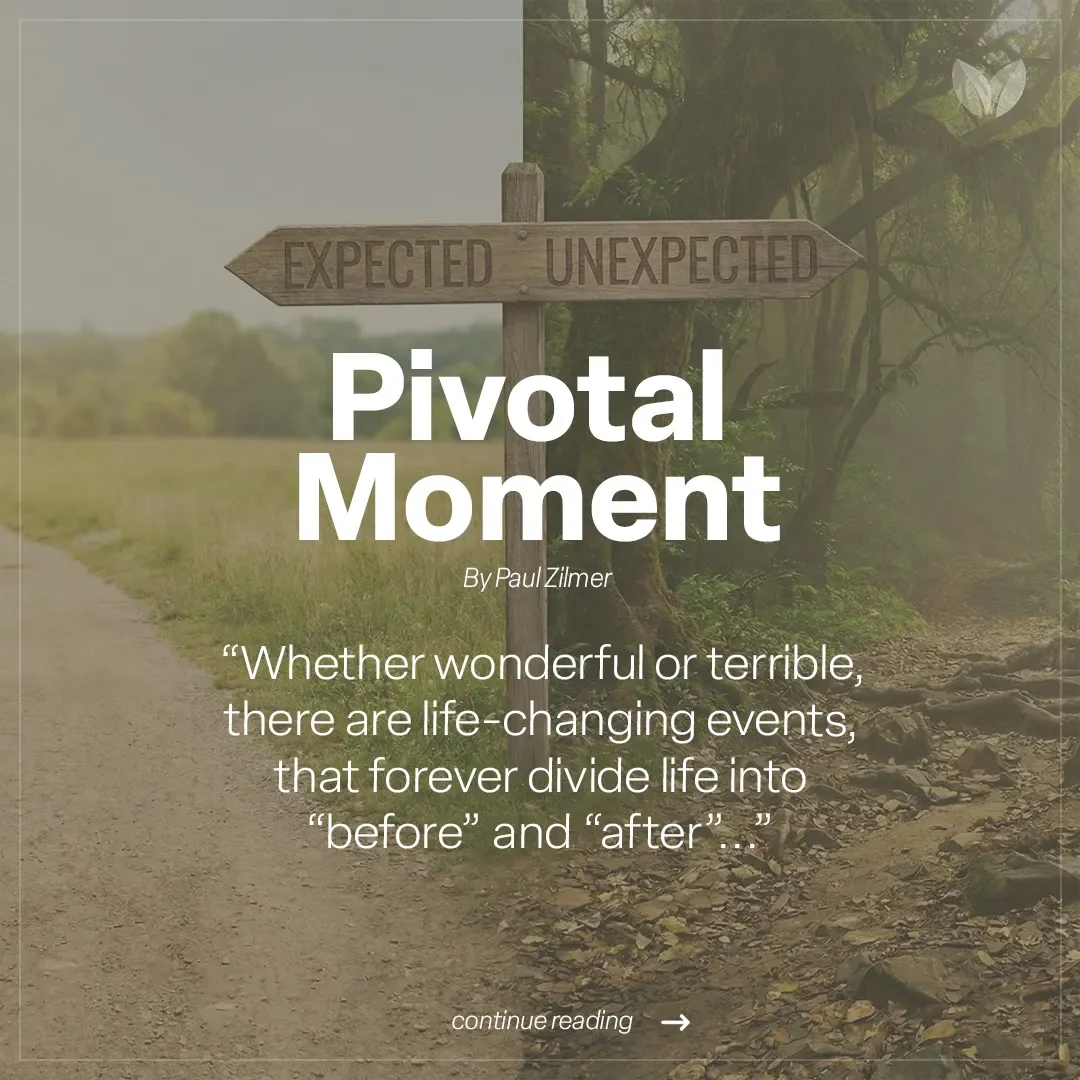
Pivotal moment
It might be something terrible—a crippling accident, or the loss of someone we’re very close to, something like that. Or it might be something wonderful—the birth of a child, suddenly being given a way to escape a war-torn country. Whether wonderful or terrible, there are life-changing events, that forever divide life into “before” and “after”.
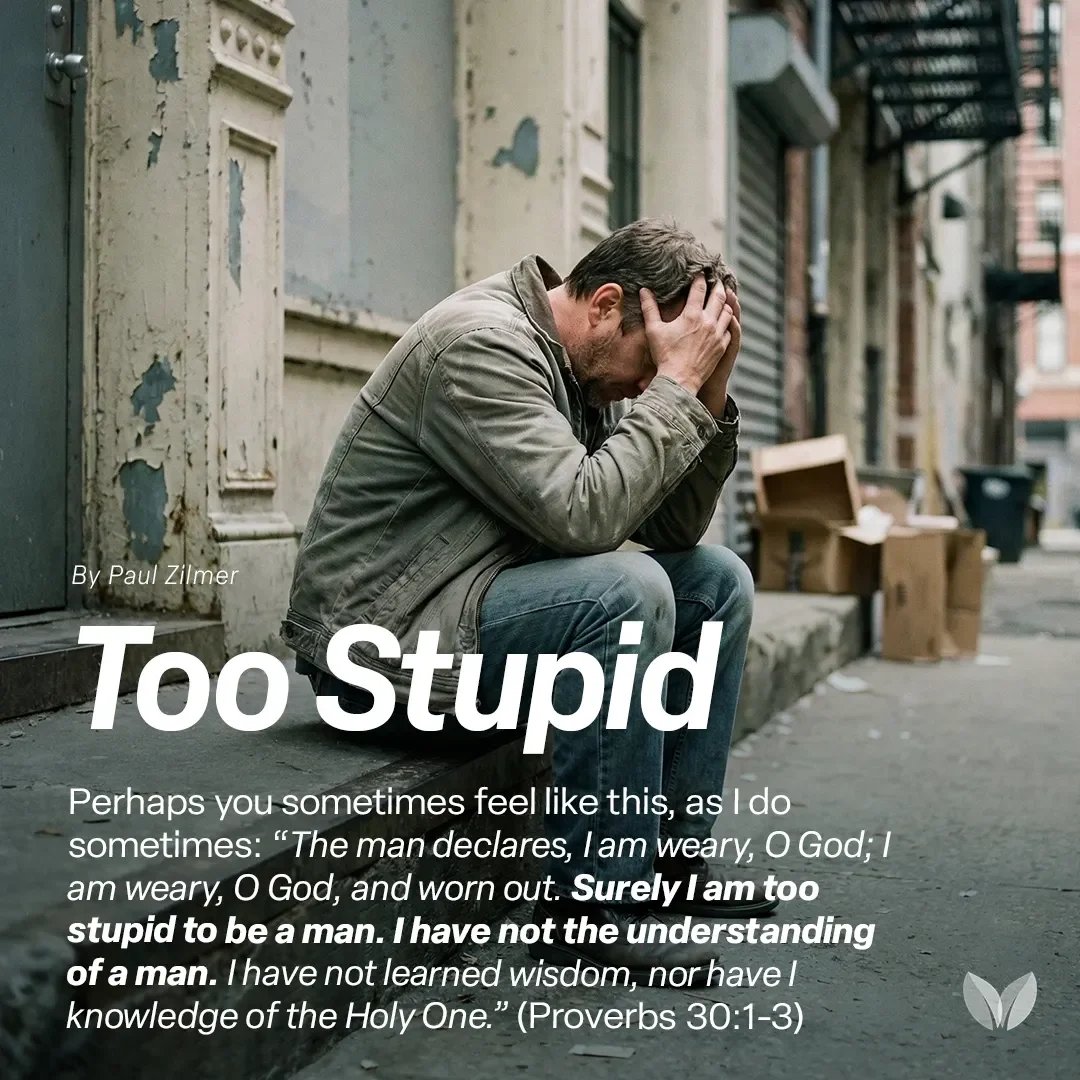
Too Stupid
Perhaps you sometimes feel like this, as I do sometimes: The man declares, I am weary, O God; I am weary, O God, and worn out. Surely I am too stupid to be a man. I have not the understanding of a man. I have not learned wisdom, nor have I knowledge of the Holy One. (Proverbs 30:1-3)
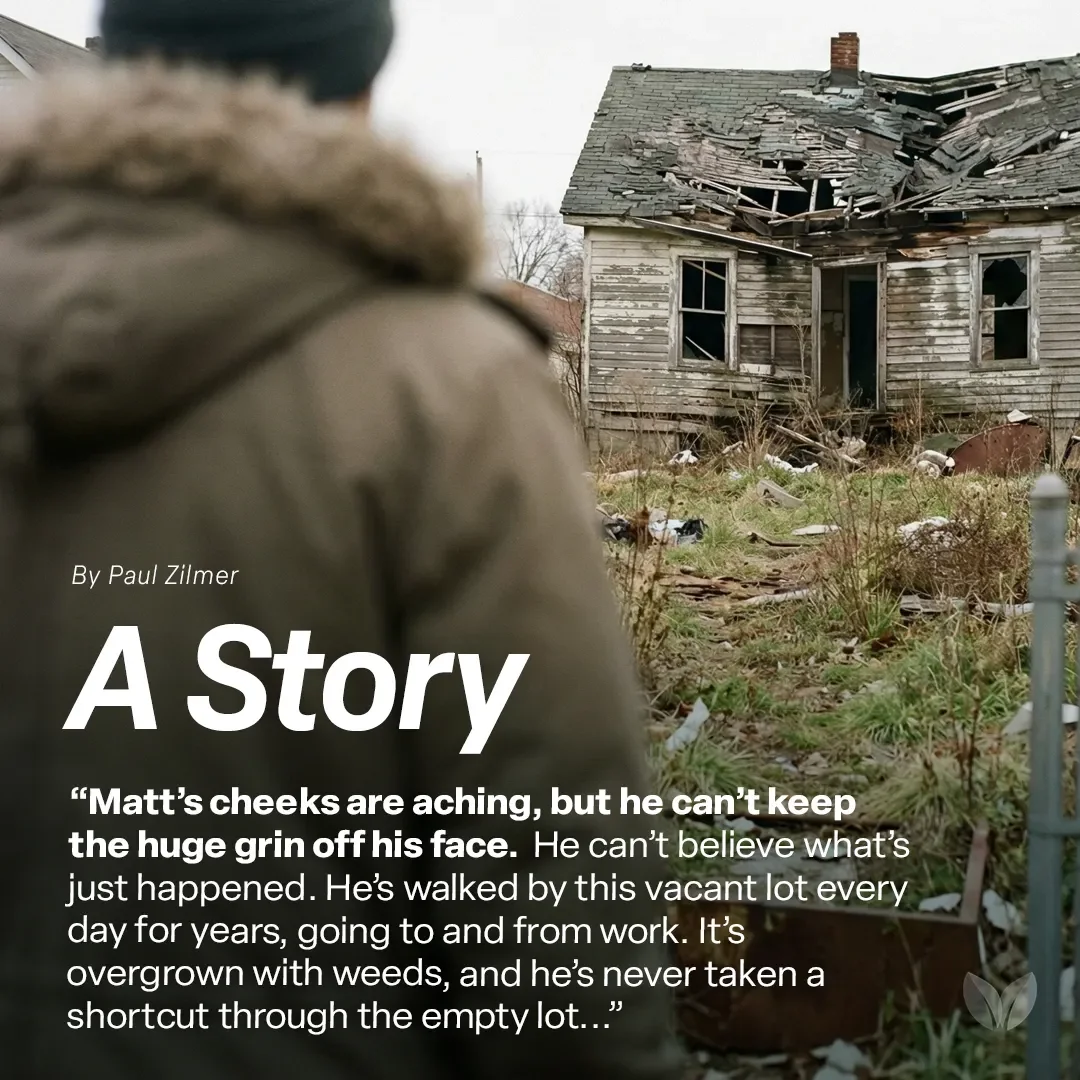
A story
Matt’s cheeks are aching, but he can’t keep the huge grin off his face. He can’t believe what’s just happened. He’s walked by this vacant lot every day for years, going to and from work. It’s overgrown with weeds, and he’s never taken a shortcut through the empty lot. But on his way home today, out of curiosity Matt had decided to cut through. Halfway across, he’d come across the foundation of a house, mostly filled in with trash. The house must have fallen down a long time ago; he’s never heard anyone even mention that there used to be a house there.
Apocalypse
The end of another year is approaching as I write this. If you are following almost any daily Bible reading plan, at this time of year you’ll be reading the book of Revelation. Or—unfortunately—you may be skipping it. A lot of people feel daunted by all the symbolism. I’d just like to suggest a reason to not skip it.
Proving the necessity
The account is familiar. On the day of his resurrection, Jesus talked with two followers as they walked from Jerusalem to Emmaus. They didn’t recognize him—exactly how he looked different we aren’t told. They told him of their crushing disappointment due to Jesus’s death. His response was to give probably the greatest Bible class ever.
Hard sayings
Jesus said things that were hard to understand. And he said some things that were understood, but were hard to accept. The prime example occurs on the day following the feeding of the 5,000. The crowd came wanting more free food and Jesus rebuked them for it, then went on to talk about eating his body and drinking his blood. This was appalling language—and still is. The result? “When many of his disciples heard it, they said, ‘This is a hard saying; who can listen to it?’… After this many of his disciples turned back and no longer walked with him.” (John 6:26-69)
Why these?
The event we call “the transfiguration” is recorded by Matthew, Mark and Luke. In all three, it immediately follows Jesus stating, “There are some standing here who will not taste death until they see the kingdom of God.” (Matthew 16:28, Mark 9:1, Luke 9:27)