
Humble Crumble
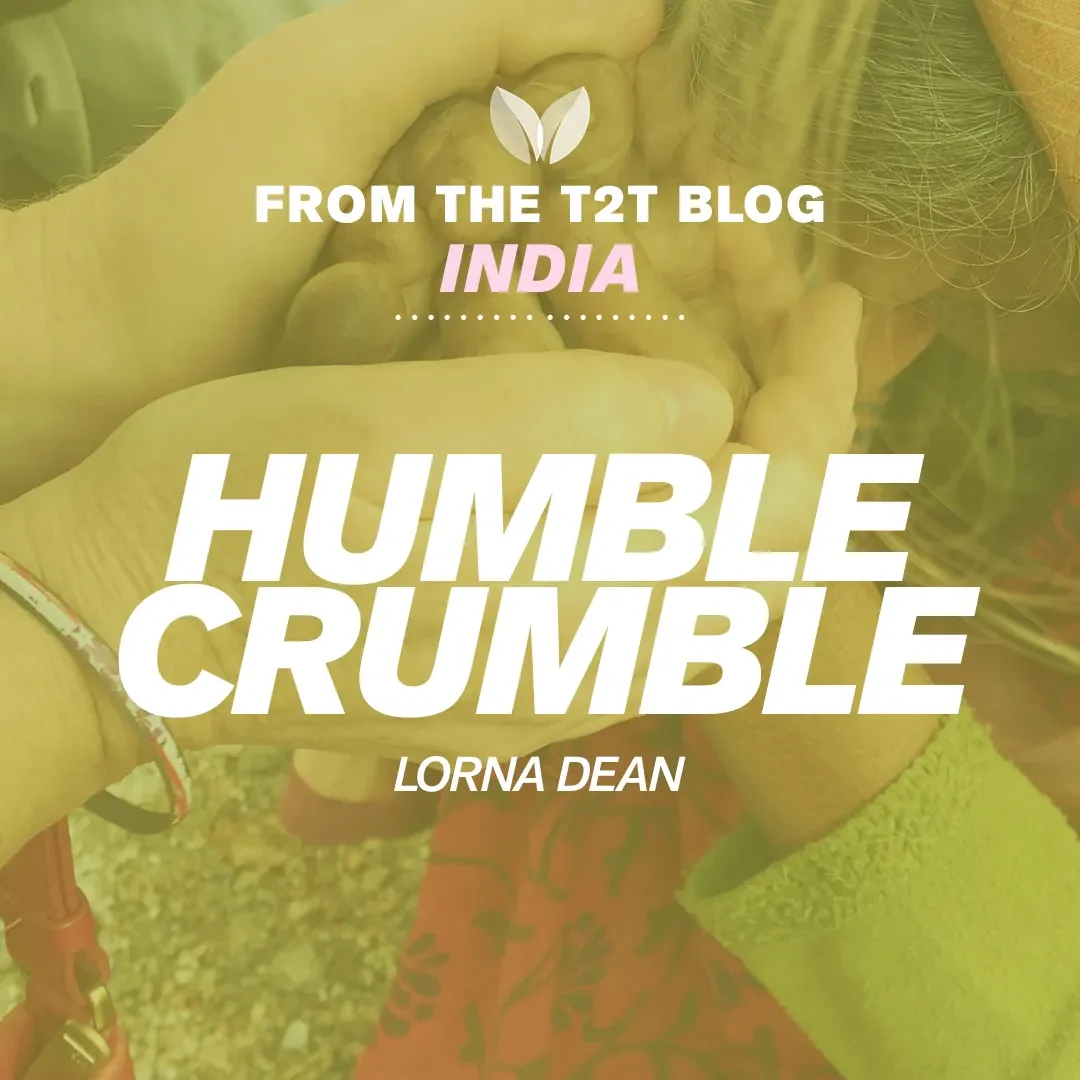
Writing about our visits to the leprosy colonies and the leprosy street projects is tricky. How to not sound all humble bumble with the good works of going round visiting and trying to find out all the ways in which folk need help. I imagine it was a trial for Mother Teresa.... When we were reviewing and editing all the video footage that was to go into the final cut of a short film, there was classic minute of me sitting hunkered down on the ground talking with an elderly lady. Our hands are entwined. Her fingers are bent and her skin broken and bleeding but my diamond rings are flashing rainbow-like on my first world white hands. It was cringing to see - I clearly asked not to be in any footage but here I am gleaming with my jewels....
Trying to avoid endless video camera closeups aside, these visits made a massive impression on us and are the highlights of our trips each year. Such is the stigma and ignorance and fear still surrounding leprosy in India that anyone with the disease has to live apart from the general population. Small clusters of homes, designated as colonies where lepers may live, are dotted around the outskirts of the city. Some miles away, some hidden behind prehistoric boulders in the scrubby foothills and some now finding themselves closer to the city than solid citizens want as Hyderabad grows and sprawls.
The first surprise was how clean everything was. Streets in both the city and the smaller suburban towns are choked with garbage, are decrepit and smell rank. Here in the public colony in Nalgonda the pavements were clear, the houses and small gardens immaculate and the pervading smell was of fresh laundry drying under shady trees outside the rows of homes. Clean and bright with flowers and small children playing on the dusty sidewalks.
Inside the homes was a different story. The houses were built by the government more than 40 years ago and are now crumbling and rotting. The colony residents do their best to make do and mend but the concrete is falling in chunks from the ceiling and the water which floods each year from the nearby stream, destroys a little bit more of the fabric each monsoon season. The dampness and mould add another unhappy layer to an already burdened life. The river which is the boundary of the colony is not under their control and is a grim sludge that makes you feel unwell looking at it. Children playing fall in it, horrible illnesses ensue.
WCF is expanding the scope of its help from medicines and food to the targeted re-roofing of homes and the provision of cement and building materials. We saw this trip how the materials WCF funds had purchased have been used - sturdy new roofs, protection for the most vulnerable. We were moved to tears by the thankfulness of one family who at last have a dry home. Aaron, The Hyderabad ecclesial secretary, is co-ordinating all the work and knows who and what to prioritise. His love and care for the folk is clear.
Another important connection to make for WCF donors is that the colony at Nalgonda is the big link to the church in Hyderabad. The children of these lepers are the children at the Shunem Home. We hadn't fully realised that. It reinforced the worth of Shunem in opening up a new world of possibilities to 120 children now, and countless before them, whose parents are shut in by the bands of fear and loathing by the people around them. Opportunities for the children to flourish that were never dreamed of by their parents. “They will thrive like well-watered grass, like willows by streams of running water” Isaiah 44:4.